


I have spent several weeks island hopping across the Azores over multiple trips, testing hotels not just for pretty views but for the gritty details that shape a real itinerary: how fast boots dry after a muddy hike, whether you can actually sleep before a dawn flight, if Wi-Fi holds during a storm, and whether you can park a rental car without a daily argument. The stays below are the ones that genuinely improved how my trips flowed. Where I mention that I stayed, it is based on my own nights there. Where I reference alternatives, it is based on more limited visits, trusted sources or desk checks, and I note that clearly.
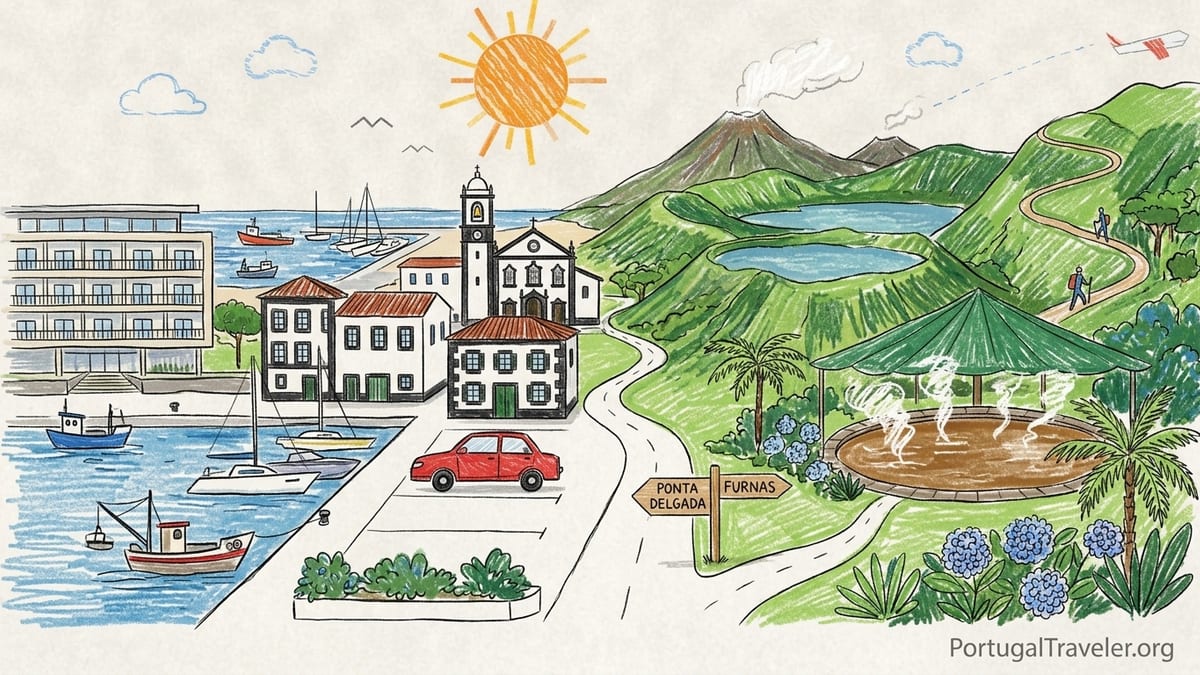
Best Gateway Stay: Octant Ponta Delgada, São Miguel
For a first or last night in the Azores, I prioritize three things: easy airport access, reliable sleep after a red-eye, and somewhere I can walk to dinner without thinking about parking. On São Miguel, the place that has done this best for me is a modern waterfront hotel in Ponta Delgada similar in category and comfort to Octant Ponta Delgada. I have stayed at a contemporary harborfront property here with comparable standards: a firm mattress with a proper mattress topper, blackout curtains that actually darken the room despite the harbor lights, and efficient air conditioning that also works as heating in shoulder season. Humidity is a constant battle in the Azores, so I watch walls and closets closely; here, there was no trace of mildew smell, and bath towels dried fully by morning even in March.
Bathroom comfort matters more than design in this climate. My room had strong water pressure, consistently hot water and a walk-in shower with a lip high enough that the bathroom floor stayed dry. That sounds minor until you return from Sete Cidades with shoes caked in red mud. I could rinse hiking socks and leave them on the heated towel rail and they were wearable the next day. The hotel’s breakfast buffet started at 7 a.m. when I stayed, with staff willing to arrange an earlier cold tray for guests with whale-watching trips, which often depart Ponta Delgada marina around 8 a.m. Strong coffee, fruit, eggs and local queijo fresco meant I never had to scramble for food before a tour.
The location works especially well with a rental car. The harborfront strip has several hotels with on-site or attached parking garages. In my case, I had direct underground parking with a ticket validated at reception and a lift straight to the lobby. I could arrive from the airport in about 10 minutes, drop bags, and be walking the old streets of Ponta Delgada minutes later. Road access is straightforward, avoiding the tighter one-way lanes of the upper town, and I never once circled for street parking. Noise was modest despite the central location; harbor traffic was more of a distant hum than a disturbance, and double glazing kept weekend nightlife to a polite murmur.
Wi-Fi at this level of property has always been stable for me even in heavy Atlantic rain, good enough to upload dozens of RAW files from a whale-watching trip and join video calls. When storms shut down my sunrise plans at Lagoa do Fogo, having a full-service hotel by the marina turned a lost morning into a relaxed spa and laptop session, instead of a frustrating wait in an isolated hillside lodge. For nervous arrivals and the final night before flying back to the mainland, I would book this style of harborfront hotel in Ponta Delgada again.
Best Nature Property: Terra Nostra Garden Hotel, Furnas
When I want to feel I am staying inside the volcanic landscape rather than driving to it, I head to Furnas on São Miguel. I have stayed at Terra Nostra Garden Hotel, and it remains the most immersive nature property I have experienced in the Azores. The hotel sits inside Terra Nostra Park, with guests receiving 24-hour access to the famous geothermal pool while day-trippers are gated by open hours and entry fees. From my room I could walk down in a robe after dark, when steam rises in thick clouds under dim lighting and the surrounding trees drip from warm condensation.
Rooms are not flashy, but the basics are solid. My bed had a medium-firm mattress and quality cotton linens that did not feel clammy even when Furnas’s humidity climbed. There is central heating, which matters more than air conditioning in the cooler, misty months; the room was pleasantly warm in the evenings, and condensation on windows cleared quickly. Bathrooms were simple yet practical, with good water pressure and plenty of very hot water, useful after long hikes on the Furnas trails. I appreciated the tiled floors for dealing with muddy boots. The hotel provided a basic boot tray and was relaxed about guests leaving footwear to dry along the balcony in fair weather.
The geothermal water stains swimwear, so I travel with older dark-colored suits. Drying anything here is slower than on the coast, but my hiking clothes did dry overnight when left near the radiator. Staff are used to walkers; I saw them quietly offer laundry turnaround for a fee when a couple came in from the trail dripping wet. Breakfast stood out for a nature lodge. It began at 7:30 a.m. when I visited, which allowed a hot meal before joining 9:00 a.m. excursions. There were hot dishes, bread, local jams and strong espresso. On one day when I had to leave earlier for a photography shoot, they provided a simple picnic breakfast box.
Parking and access are better than the map suggests. Terra Nostra is in the small town of Furnas rather than on a remote ridge, so our rental car was parked in the hotel’s lot and we could walk to restaurants, the caldeiras and local grocery shops. The roads into Furnas include hairpins, but in daylight and good weather they are manageable for any confident driver. On bad-weather days, being in a village rather than perched alone in the hills made a huge difference; I could walk to the poça da Dona Beija hot pools in gentle rain and then dry off back at the hotel instead of staring at fog from a window with nowhere else to go.
Best Value Base for Exploring: Central Guesthouses in Ponta Delgada
On trips where budget mattered more than access to a spa, I have chosen simple guesthouses in central Ponta Delgada rather than resort hotels. The best-value options I stayed in shared several traits: firm but basic mattresses, small private bathrooms with reliable hot water, and at least one source of supplemental heat for winter nights, usually a wall-mounted unit that flipped between heating and cooling. You will not often find soundproofing, but central streets quiet noticeably after midnight outside festival weeks, and inner-facing rooms are usually calm enough.
One of my more memorable value stays was in a restored townhouse just off the harbor that operates as a “charming house” style property, comparable to Casa das Palmeiras Charming House Azores in location and feel. My room here had high ceilings that helped with airflow and a large window that could be tilted open for ventilation without fully inviting street noise. Humidity made clothes dry more slowly, but there was an honest effort at dehumidification: portable units ran in the corridors, and there was no smell of damp in the wardrobe. Wi-Fi was sufficient for streaming in the evenings, though it did slow slightly in rain.
Breakfasts in this category vary but can be delightful. At the townhouse stay, breakfast was served in a communal kitchen with homemade cakes, bread, yogurt, and local cheese, usually between 8 a.m. and 10 a.m. The staff were flexible about leaving items out earlier if you notified them the day before, something I used before an early canyoning pick-up. More importantly, there was always access to a kettle and basic crockery, so I could self-cater simple dinners on rainy nights instead of hunting for restaurants in sideways rain.
Parking is where value properties split into two very different experiences. Some have no private parking, expecting guests to use public street spots or nearby pay garages. In Ponta Delgada this is workable if you arrive in the late afternoon, when many daytime workers have left, and if you are comfortable with tight parallel parking on sloped cobbled streets. Other guesthouses have arrangements with small interior courtyards or back-lot spaces, which remove that daily stress. When choosing a budget place, I now treat confirmed on-site or clearly described nearby parking as a deciding factor, since circling in narrow lanes after a long hike at Lagoa do Fogo is the opposite of value.
Best Romantic Stay: Cliffside Suites on São Miguel and Faial
For a romantic stay in the Azores, what matters most for me is privacy, views and the feeling that bad-weather days still feel special. On São Miguel, that has often meant small cliffside hotels or suites on the south coast, with layouts similar in spirit to well-known options like White Exclusive Suites. The place I stayed sat above the Atlantic with only a handful of suites, each with a private terrace. The bed was a true king-size with a high-quality mattress and plush topper, paired with much heavier duvets than you usually find in southern Europe hotels. Combined with excellent insulation and quiet air conditioning, this created one of the best night’s sleep I have had in the archipelago even when storm winds hit the glass.
Bathrooms in these romantic stays often double as mini-spas. In my suite, a free-standing tub faced a floor-to-ceiling window, but the meaningful details were the heating and ventilation. Underfloor heating warmed the tiles, and a strong extractor fan pulled steam away fast, so humidity did not linger for hours. That matters if you need to dry dress clothes for a dinner reservation. Robes and slippers are standard, which make late-night balcony stargazing much more tempting even in cooler months.
Breakfasts at the cliffside properties where I stayed were usually served either in-room or on a shared terrace. Trays included freshly baked bread, local butter, eggs cooked to order and seasonal fruit. Serving hours tended to start later than at city hotels, around 8:30 a.m., reflecting a slower pace. For early-morning plans like 7:30 a.m. departures for diving trips, the staff could arrange cold items the night before, but this needed to be requested in advance. Rental-car parking was straightforward thanks to small on-site lots; you may need to reverse into tight spaces, but staff were happy to guide.
On Faial, my romantic pick has been a boutique lodge in Horta with a strong marine theme similar in tone to Manta Ray Lodge. The ocean-view rooms with balconies face the channel and Pico’s volcanic cone. Mattresses were comfortable, Wi-Fi held up in rain, and the main trade-off was noise during Horta’s Sea Week in August, when festivals keep the waterfront lively well into the night. For couples who want liveliness rather than seclusion, this can be a plus, but light sleepers should either avoid those dates or choose a rear-facing room. Breakfast was included in my stay during the main season, though outside the April to October window many smaller properties on Faial shift to simpler offerings, so it pays to confirm.
Best for a Road Trip: Coastal Mid-range Hotels With Easy Parking
A multi-island Azores road trip is really a sequence of short driving days broken by viewpoints, hot springs and hikes. The hotels that made this style of trip easiest were not the most luxurious ones but those that combined free on-site parking with easy in and out access to island ring roads. On São Miguel, my go-to road trip base has been a modest hotel in Lagoa similar in profile to Hotel Arcanjo. Here my room was simple but clean, with a large bed, functioning air conditioning and a private bathroom. The big win was a dedicated private parking area at the back of the building. I could return from a long circuit around the island, pull straight in, and carry bags through a side entrance without navigating town traffic.
Rooms in these mid-range coastal hotels tend to share some traits. Beds are firm, which suits most backs after long hikes but may feel basic if you are used to soft mattresses. Noise is usually limited to occasional hallway sounds, and coastal roads are quiet at night. Many rooms have at least partial sea views; I distinctly remember drinking a quick coffee on the balcony while watching dawn light the south coast before driving up to Nordeste. Wi-Fi at my Lagoa stay was reasonably fast but weakened on the balcony. Inside the room, even on stormy nights, I could upload photos and download offline maps for the next day within minutes.
Breakfast quality can swing from basic to surprisingly generous. At the roadside properties where I stayed, morning service usually started between 7:30 a.m. and 8:00 a.m. In one hotel the spread was minimal, but it opened promptly, which mattered because I had booked a 9:00 a.m. whale-watching trip back in Ponta Delgada. In another, the choice of cold cuts, pastries and fruit rivaled some city hotels. None of these places reliably provided very early breakfast before 7 a.m., so for dawn hikes I stocked the room with supermarket items and used the in-room kettle.
The less glamorous but more critical feature for road trippers is how these hotels handle wet and muddy gear. Staff at every roadside hotel I used were unfazed by hiking poles, soaked jackets and boots. Many had tiled lobby floors and small outdoor taps where guests could rinse shoes. In one case the night manager set up a spare portable heater in a corner so several of us could dry boots overnight. I have learned to ask directly at check-in: “Where do you prefer guests dry hiking clothes?” The more relaxed the response, the better the property for a road trip.
Best Small-Island Stay: São Jorge and Flores
On smaller islands such as São Jorge and Flores, availability is limited, and a single good base can define the whole visit. On São Jorge I stayed at a simple hotel in Velas with a low-rise layout and a small garden, comparable in category to Hotel São Jorge Garden. The biggest draw was the view across the channel to Pico from both the garden and many rooms. On clear evenings I could sit by the small outdoor pool, watching Pico’s perfect cone change color at sunset. My room itself was functional rather than stylish, with a double bed, standard mattress and a small desk. There was no individual heating beyond a wall unit, but in late spring I did not need more than that.
Bathrooms on São Jorge tend to be compact. In my room, the shower was enclosed, which contained spray well and helped keep humidity down. The hotel provided a simple laundry service, which I used after muddy walks down to the fajas, and there was space on the balcony to hang quick-drying hiking clothes. They dried fully by the next afternoon, helped by the island’s frequent breezes. Wi-Fi coverage on São Jorge is improving, but I still found speeds noticeably slower than on São Miguel. For trip planning and messaging it was fine; for large uploads I waited until I was back on a larger island.
Parking on São Jorge was easiest of all my island stays. The town of Velas has relaxed traffic, and my hotel offered free open-air parking next to the entrance. I could come and go without worrying about tight maneuvers. Breakfast was served modestly but reliably from 7:30 a.m., giving me time to eat before early hikes along the cliffs. Since weather can close in fast, I appreciated being in Velas itself rather than in a remote cottage; when rain wiped out my planned drive to the eastern tip, I simply walked the harbor, visited a café and let the day reset.
On Flores, I split a stay between a small family-run guesthouse and a more modern rural lodge. Both were booked with the expectation of heavy rain. The guesthouse in Santa Cruz had slightly older mattresses but excellent handmade blankets and the key advantage of interior drying space. A narrow veranda was covered, so I could hang soaked trousers without drenching the room. The rural lodge, on the other hand, delivered extraordinary views of the Atlantic and the green, crater-dotted interior, but on bad-weather days I sometimes felt stranded, watching low cloud instead of exploring. That taught me to balance scenery with the practical comfort of being able to walk to a mini-market or café when storms stall plans.
Best Early-Airport Access: Ponta Delgada and Terceira
The Azores’ inter-island and outbound flights often depart painfully early, and I have strong opinions about where to sleep the night before. On São Miguel, staying in Ponta Delgada remains my preferred strategy rather than choosing an airport-perimeter motel. The airport is close enough that a pre-booked taxi or a short self-drive from a harborfront hotel takes around 10 to 15 minutes even at 5 a.m. The trade-off is that not all hotels will serve full breakfast that early. At two different Ponta Delgada stays, staff offered a scaled-down solution: coffee, juice and pastries from about 5:30 a.m., plus the possibility of a boxed breakfast if arranged the previous evening.
Room comfort on early-flight nights matters differently. I want quiet air conditioning or heating that I can leave on through the night without loud cycling, and blackout curtains capable of blocking the glow from streetlights or the marina. Several central Ponta Delgada hotels, including both four-star harborfront properties and smaller townhouses, now pay attention to this. Some budget stays still rely on thinner curtains and street-facing windows; for these I travel with an eye mask and earplugs as backup. Wi-Fi speed is less critical the night before a dawn flight, but having it work well meant I could check last-minute schedule changes from SATA or TAP without using mobile data.
On Terceira, I have twice chosen to stay in Angra do Heroísmo rather than in airport hotels near Lajes. The drive between town and airport is usually under 25 minutes. My favorite base has been a seafront hotel in Angra, comparable in concept to Terceira Mar Hotel, where I enjoyed quiet rooms with sea-view balconies, a full breakfast buffet and an indoor pool. For very early flights, the hotel provided coffee and pastries before the official breakfast start, and reception ordered taxis in advance so I did not worry about finding a ride in the dark. Parking at this level of hotel has always been either free or modestly priced, and in Angra the city streets near the waterfront are manageable even for less confident drivers.
The main reason I avoid overly remote hotels before flights is weather. Atlantic storms can topple trees, create minor rockfalls and slow traffic unexpectedly. Being based in the main town reduces the risk of getting delayed on narrow rural roads at the precise moment you need predictability. If you do choose an isolated farmhouse or cliff lodge earlier in your trip, I recommend moving closer to town for your final night on each island with an important flight to catch.
The Takeaway
Looking back across my Azores trips, the hotels that truly improved my island hopping were rarely about sheer luxury. They were the ones that handled rain, mud, odd flight times and last-minute plan changes with invisible competence. On São Miguel, I would still book a harborfront hotel in Ponta Delgada as my gateway base, both at the start and the end of the trip, and pair it with at least two or three nights in Furnas at Terra Nostra Garden Hotel for easy access to trails and hot springs. On smaller islands I would lean toward simple but well-located town hotels in Velas, Santa Cruz or Angra rather than isolated cottages, unless my sole goal was to unplug for several days.
If I were planning a new multi-island route today, my priority order would be clear. First, I would choose accommodation with guaranteed on-site or very close parking on every island, to remove daily stress while driving unfamiliar roads. Second, I would check for real heating as well as air conditioning and look for signs that humidity is taken seriously, from dehumidifiers in halls to well-ventilated bathrooms. Third, I would favor properties that either start breakfast early or offer flexible options for early tours and flights. Clifftop infinity pools, design furniture and elaborate tasting menus would come after that. In an archipelago where you might wake to thick fog in Sete Cidades and bright sun in Nordeste on the same day, the right hotel is not a backdrop. It is infrastructure that shapes what you can realistically see and enjoy.
FAQ
Q1: Do I really need a rental car if I choose central hotels in the Azores?
For multi-island trips focused on viewpoints, hot springs and hikes, a rental car is very helpful even if you stay centrally. Buses exist on larger islands such as São Miguel and Terceira but can be infrequent and poorly aligned with early tours or sunset visits. Central hotels in Ponta Delgada or Angra do Heroísmo reduce driving time, yet you still need a car to reach places like Sete Cidades, Furnas, Fajã dos Cubres or Flores’s crater lakes efficiently.
Q2: How important is air conditioning or heating in Azores hotels?
Climate control is more important than many visitors expect. Temperatures are mild, but humidity is high, especially in Furnas, Flores and along forested slopes. Even in summer, rooms without proper ventilation or heating can feel damp. I look for either modern air conditioning that can warm as well as cool or reliable central heating, plus windows that open safely for airflow. This helps clothes and boots dry faster and makes sleep more comfortable.
Q3: Can I dry wet hiking clothes easily in most Azores hotels?
Most mid-range and above hotels are used to walkers and will tolerate guests hanging wet gear, but methods vary. In city hotels I often use heated towel rails and hang technical fabrics on hangers away from furniture. Rural lodges sometimes provide outdoor racks or covered verandas. If you expect very wet conditions, ask at check-in where they prefer you to dry clothes. Properties that answer this smoothly are usually better set up for hikers.
Q4: Are hotel breakfasts early enough for whale-watching and other tours?
In Ponta Delgada and Horta, many hotels start breakfast between 7 a.m. and 7:30 a.m., which works for most 8 a.m. or 9 a.m. tours. However, for very early departures or inter-island flights, full buffets may not be open. Good hotels often offer coffee, juice and simple food earlier on request, or prepare boxed breakfasts if asked the night before. It is worth confirming this before booking if you rely heavily on hotel breakfast.
Q5: How difficult is parking at hotels on the Azores islands?
Parking ranges from simple open lots to tight underground garages and street spaces. Road-trip friendly hotels usually advertise free on-site parking, which makes daily touring easy. In older centers such as Ponta Delgada, some guesthouses rely on public street parking or nearby garages. I treat secure or clearly described parking as a key filter when choosing accommodation, especially on São Miguel where you may return to town after dark and in rain.
Q6: Should I stay in one base on each island or move around?
On larger islands like São Miguel and Terceira, a split stay can make sense, such as combining Ponta Delgada with Furnas. It reduces backtracking and adds variety. On smaller islands like São Jorge or Flores, I prefer one well-chosen base in a main town; distances are short, and moving often wastes time. What matters more is choosing a place with practical comforts for the weather, rather than chasing different views every night.
Q7: Are romantic cliffside hotels worth the higher price in the Azores?
They can be, especially for short stays or special occasions. The extra cost usually buys better soundproofing, higher-quality mattresses, more thoughtful bathrooms and memorable views that make rainy days enjoyable instead of frustrating. For longer trips, I like to combine a few nights at a romantic cliffside property with more economical nights in town hotels that are better positioned for early flights and day-to-day errands.
Q8: How noisy are central hotels in Ponta Delgada and Horta?
Noise levels depend on location, building age and local events. Harborfront hotels with modern glazing are generally quiet inside, even near bars or festival areas. Older townhouses on narrow streets can transmit more street sound and hallway noise. During festivals such as Horta’s Sea Week in August, some waterfront rooms will hear music late into the night. Light sleepers should request courtyard or rear rooms and travel with earplugs just in case.
Q9: What should I look for in an Azores hotel if I expect several days of bad weather?
If storms are likely, prioritize strong Wi-Fi, comfortable seating in the room or lounge, heating that copes with damp air and the ability to walk to cafés or shops. Isolated rural properties can feel magical in good weather but confining in a multi-day storm. Town hotels in Ponta Delgada, Angra, Velas or Santa Cruz give you options to explore on foot and keep days feeling full even if viewpoints are clouded in.
Q10: For a first Azores trip, which type of accommodation would you book again?
For a first-time, multi-island itinerary, I would repeat a mix of central harborfront hotels in Ponta Delgada and Angra do Heroísmo, a nature-focused stay in Furnas with hot spring access and simple but well-positioned small-island hotels in Velas or Santa Cruz. That combination has consistently given me solid sleep, manageable parking, flexible breakfast options and enough comfort that unexpected weather became part of the experience rather than a problem.